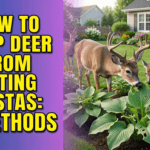
Deer can destroy a garden overnight – but you have real options. From deer-resistant plants and scent deterrents to physical barriers, these six proven methods will help protect your outdoor plants from deer damage.
Why Deer Damage Gardens So Easily
Deer are opportunistic feeders. They graze constantly and will eat almost anything when food gets scarce. A small group can strip a garden bed overnight, hitting everything from vegetable patches to ornamental shrubs and young trees. This is especially common in suburban areas where neighborhoods sit right up against natural habitat. Knowing what pulls them in is half the battle.
Scent-Based and Plant Deterrents
1. Choose Deer-Resistant Outdoor Plants
One of the best long-term moves you can make is simply planting things deer don’t want to eat. They naturally avoid plants with rough or prickly textures, fuzzy leaves, or strong fragrances. Lavender, yarrow, Russian sage, and catmint are popular choices that most deer will skip right past in favor of easier pickings.
Try lining the outer edges of your garden beds with these deer-resistant varieties. It creates a natural buffer that discourages deer from pushing deeper into your garden. Keep in mind that feeding habits can vary a lot between deer populations, so what works in your neighbor’s yard might not work in yours. Some trial and error is normal here.
2. Use Bar Soap as a Scent Deterrent
This one surprises people, but plenty of gardeners swear by it: bar soap. The strong fragrance messes with a deer’s sharp sense of smell and makes your garden a lot less appealing.
Pick a brand with a powerful scent and hang the bars from low tree branches or shrubs using string. You can also stick them on garden stakes and place them around the edges of your planting beds. After heavy rain, replace them since the scent fades as the soap breaks down.
3. Scatter Human Hair Around Your Plants
Human hair is another scent-based option that a lot of gardeners find surprisingly effective. The smell signals human presence, which naturally puts deer on edge and makes them think twice about coming closer.
Just ask your local barber or hair salon for clippings. Most places will hand them over for free. Spread the hair loosely across your garden beds the way you’d spread mulch, or pack it into old nylon stockings and hang them at deer nose level around the garden. It’s not exactly pretty, but it costs almost nothing and it works more often than you’d think.
Spray and Motion-Activated Solutions
4. Apply a Deer-Repellent Spray Regularly
Commercial deer repellent sprays are easy to find and work by combining smells and bitter tastes that deer want nothing to do with. The catch is that you have to keep up with reapplication. Rain washes these sprays off and they lose their punch over time, so staying consistent really matters.
Try a Homemade Spray
If you’d rather go the DIY route, there are some homemade formulas that get solid results. Common ingredients include eggs, garlic, hot sauce, and clove oil. Blend everything together, strain it, and apply it directly to your plant foliage. Reapply every week or two, and definitely after any rainfall.
5. Install a Motion-Activated Device
Motion-activated devices can startle deer and send them moving along. Solar-powered units are a popular choice since there’s no wiring involved. But deer are smart, and they can figure out pretty quickly that flashing lights or repeated sounds aren’t actually threatening.
For better results, go with a motion-activated sprinkler. The sudden burst of water is unpredictable enough to stay effective longer. A motion-triggered radio playing live programming can also do the trick since constantly changing sounds are much harder for deer to get used to compared to a loop of recorded noise.
Physical Barriers for Reliable Protection
6. Install a Physical Barrier Around Your Outdoor Plants
When it comes down to it, a physical barrier is still the most reliable way to protect your outdoor plants from deer. Plastic mesh netting or floating row covers offer affordable protection for smaller garden areas.
If you’re putting in a full fence, height is everything. Deer can clear 8 feet on flat ground and even more on a slope. Anything shorter than that probably won’t stop a deer that really wants in. A solid stockade-style fence works especially well because deer are hesitant to jump over something when they can’t see what’s waiting on the other side.
Frequently Asked Questions
What plants do deer avoid most often?
Deer tend to stay away from plants with strong scents, fuzzy textures, or prickly surfaces. Lavender, sage, lamb’s ear, and ornamental grasses are all good examples of deer-resistant choices for your garden.
Does Irish Spring soap really keep deer away?
A lot of gardeners say yes. Strongly scented bar soaps like Irish Spring can deter deer, though results aren’t guaranteed for everyone. You’ll need to replace the soap regularly since the scent fades over time.
How high does a fence need to be to keep deer out?
At least 8 feet on level ground. On slopes, deer can jump even higher, so you may need taller or angled fencing to actually keep them out of your garden.
How often should I reapply deer repellent spray?
Plan on reapplying every one to two weeks, and again after any significant rainfall. Both commercial and homemade sprays lose their effectiveness quickly without regular upkeep.
Can deer really get used to motion-activated deterrents?
Yes, they can. Deer adapt to repetitive stimuli over time. Rotating between different methods or using something unpredictable like a sprinkler or live radio broadcast tends to hold up better than static lights or recorded sounds on a loop.